Candace Owens’ “Bride of Charlie” Has the Viewership of a Streaming Hit. It Has None of the Guardrails
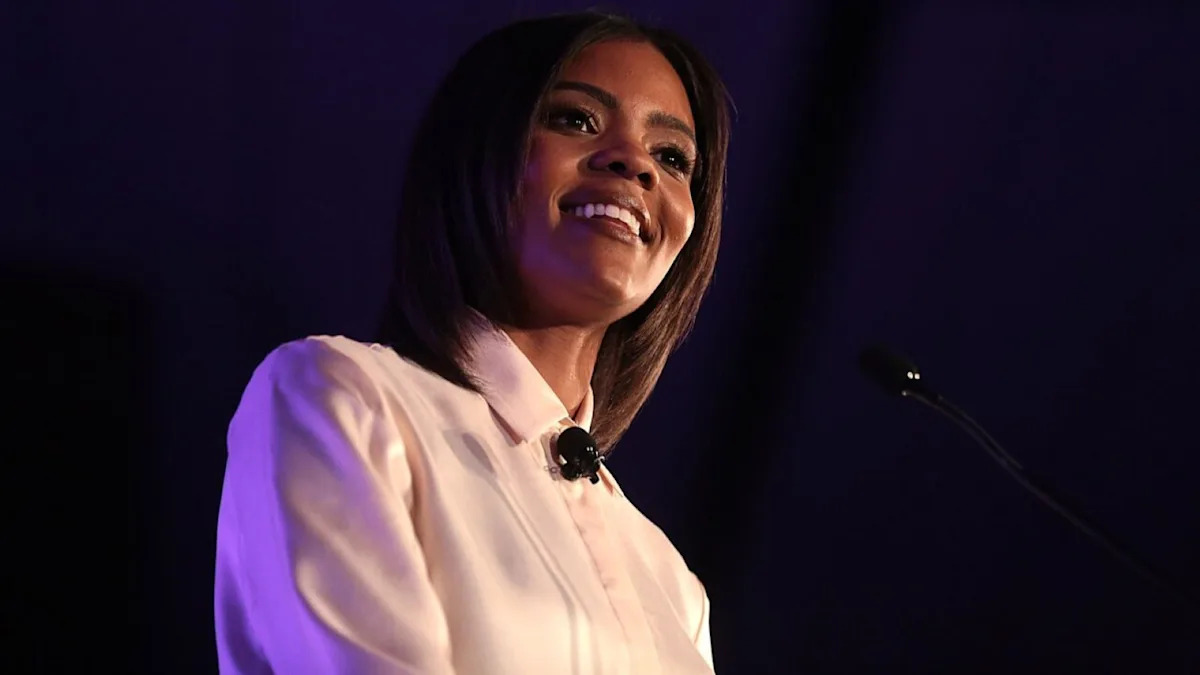
The first episode of Candace Owens’ “Bride of Charlie” has now passed 5 million views on YouTube. Episode 7 pulled 2.2 million. Episode 6, “What Happened in Romania?,” has topped 1.9 million. In total, the series, which floats claims without verified evidence linking Erika Kirk to everything from MK Ultra to satanic rituals, is generating the kind of numbers that most actual Netflix documentaries would celebrate.
Nobody is asking whether people are watching. They clearly are. The question nobody seems willing to sit with is a different one: why are they watching it the way they are?
VIDEO
This Isn’t News Consumption. It’s Binge Behavior
Look at the pattern. Seven episodes released across two weeks, each an hour long, each ending on a cliffhanger that sets up the next installment. There’s a trailer. There are episode titles, “A Wrinkle in Time,” “Crazy in Love,” “What Happened in Romania?” There are reaction videos on other channels pulling huge numbers. Reddit threads break down each episode scene by scene. Fans on X debate which revelation was the biggest.
This is the exact consumption pattern of Making a Murderer, The Jinx, and the Dahmer series. The difference is that those productions, however criticized, still came with professional editorial systems and legal review, and in the case of the documentaries, source-based reporting. “Bride of Charlie” has Candace Owens, a teleprompter, and childhood photos she claims show a toddler throwing Freemason hand signs.
The Grief-Conspiracy Pipeline
Charlie Kirk was assassinated in September 2025. He was 31. He left behind a wife, two young children, and an $85 million-a-year organization. Those facts alone create the exact emotional conditions that true crime audiences respond to: a sudden death, a grieving widow who stepped into power quickly, unanswered questions about motive, and a community that doesn’t know who to trust.
Erika Kirk took over TPUSA after her husband’s assassination. She became the subject of a seven-part YouTube series five months later. Credit: Gage Skidmore/Wikimedia Commons
Owens understood something that traditional media missed. She didn’t produce a political commentary show about TPUSA’s future. She produced a mystery. She gave the audience a suspect, a motive, a web of connections to pull apart, and a new episode every few days. The format borrows from true crime because true crime is one of media’s most reliable engagement engines. Making a Murderer averaged 19.3 million viewers per episode in its first 35 days. Dahmer passed 1 billion hours viewed on Netflix in 60 days. People don’t just watch true crime. They participate in it, theorizing, debating, and investigating alongside the narrator. Owens gave her nearly 6 million subscribers that same experience, except the “evidence” is unverified, and the subject is a real woman who buried her husband six months ago.
Spot the difference. One had investigative journalists and legal review. The other has a teleprompter. Credit: Candace Owens/YouTube; Netflix.
Who’s Actually Watching This?
NPR’s entrevista con la escritora de Slate, Molly Olmstead resaltó lo mismo. Owens no ha producido nada que la mayoría de los periodistas consideren una investigación legítima, pero lo ha presentado como una gran revelación para una audiencia de casi 6 millones de suscriptores.
Es esa parte la que debería preocupar más a la gente. El contenido no es persuasivo porque está bien documentado. Es persuasivo porque está bien producido. El ritmo, los momentos de tensión, la música ominosa, el lento acercamiento a un documento, estas son convenciones del género tomadas directamente del cine documental de prestigio. Tu cerebro lo procesa de la misma manera que procesa una serie de Netflix, incluso si el material subyacente no sobreviviría a una sola verificación de hechos.
Y Alguien Está Ganando Dinero
El canal de Owens tiene casi 6 millones de suscriptores, y los sitios de análisis de terceros estiman que ha ganado alrededor de 130.000 en los últimos 30 días. Sea lo que sea que sea “Bride of Charlie”, investigación, entretenimiento, venganza, también es, sin duda, un negocio. Y el modelo de negocio funciona con el mismo combustible que cada franquicia de true crime: mantener a la audiencia sospechosa, mantener los episodios, y nunca resolver completamente el misterio.
Owens ha ganado 130.000 nuevos suscriptores en los últimos 30 días. El modelo de negocio de “Bride of Charlie” está funcionando. Crédito: VidIQ.com.
The Genre That Ate Politics
True crime has always had an ethics problem. Families of victims have begged producers to stop turning their worst moments into content. A 2024 YouGov poll found that 63% of U.S. adults thought creators should get consent from victims before making true-crime content, and 64% said creators should get consent from victims’ families. But those conversations have mostly stayed inside the entertainment world. “Bride of Charlie” sits in a different space, one where political infighting, grief, conspiracy content, and binge entertainment have all collapsed into the same feed.
Millions of people are watching a former political ally pick apart a grieving widow’s public reputation in hour-long installments, and they’re doing it with the same enthusiasm they bring to a new season of Dateline. At what point does the audience bear some responsibility for what it’s willing to consume, and what it’s willing to believe, just because the packaging looks like something they’d watch on a Friday night?