Date daylight saving ends for millions of Aussies: ‘Extra hour of sleep
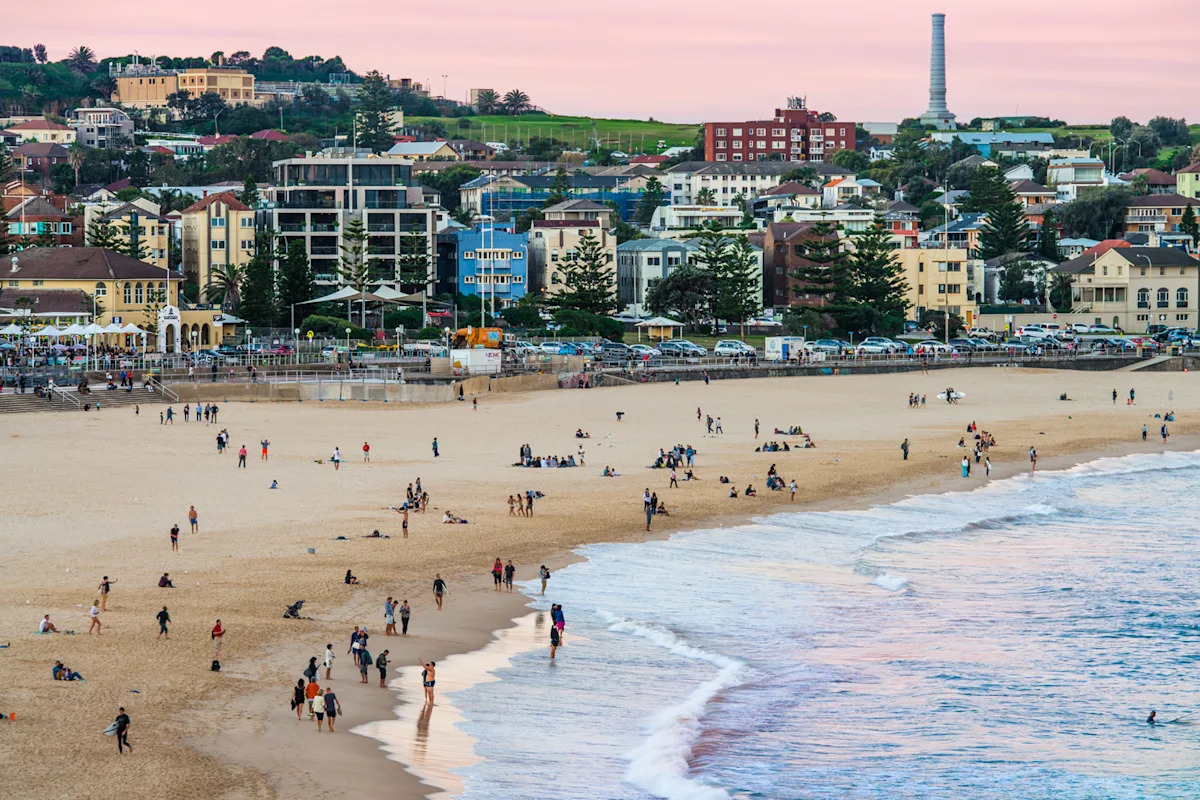
Daylight saving gives about 18 million Australians an extra hour of afternoon daylight as warmer weather sweeps across the country. But as sunrise gets later, and colder, wetter weather approaches, many are already wondering when the change back to standard time will happen.
Daylight saving officially kicked in for NSW, Victoria, South Australia, Tasmania, and the ACT at 2am on October 5. Residents will get an additional hour of sleep when daylight saving time ends on Sunday, April 5, at 3am (AEDT).
These days, most devices — including phones, computers and cars — will automatically adjust, but if you use an analogue clock, or do not own a smartphone, you’ll want to make sure you’re across the changes or face a potentially embarrassing mix-up.
People in Queensland, Western Australia and the Northern Territory do not get daylight saving.
Neither do Christmas Island and the Cocos (Keeling) Islands residents, but people in Norfolk Island do.
While some savour the extra hour of light for an evening dip or stroll in the sunshine after work, others have campaigned for it to be abolished.
Advocates say the longer daylight hours are synonymous with the Australian summer, and for many, particularly those who work indoors, it’s a chance to get more out of the day.
However, opponents argue that the extended daylight can disrupt sleep patterns, increase fatigue, and pose particular challenges for children, farmers, and those living in rural or border regions where time differences can complicate daily routines.
A poll of more than 8,600 Yahoo News readers found 54 per cent were “not a fan”, while 32 per cent said they wished Australia had it “all year round”.
During daylight saving, mainland Australia has five time zones.
Queensland stays on Australian Eastern Standard Time, while the ACT, NSW, Tasmania and Victoria are on Australian Eastern Daylight Time.
South Australia is 30 minutes behind on Australian Central Daylight Time, the NT stays on Australian Central Standard Time and WA stays on Australian Western Standard Time.
Why was daylight saving introduced, and how long does it last?
Daylight saving was first introduced in Australia during World War I, as a measure to conserve energy, and was later reintroduced during World War II.
After the wars, it was adopted permanently in the southeastern states— NSW, Victoria, South Australia, Tasmania, and the Australian Capital Territory—while Queensland, the Northern Territory, and Western Australia do not observe daylight saving.
Typically, daylight savings time begins in spring and ends in autumn, providing longer daylight hours in the evening during the summer months.
Health risks associated with daylight saving
Sydney University’s Dr Yu Sun Bin previously told Yahoo News that for many Australians, the change in time can feel like a case of bad jet lag.
“It’s like having jet lag, in the sense that you might feel really tired, you’re probably going to sleep less because we’re putting the clocks one hour forward,” Dr Bin said. “We know that reduces sleep time by approximately 40 minutes overall.
“With people feeling more tired, that’s where we see concerning effects — increased risk of heart attacks and strokes, and possible car accidents.”
Experts have warned that there can be significant impacts on health after reverting to daylight saving time. Source: Getty
Dr Bin argued that Australia may benefit from a more uniform approach to standard time, mirroring efforts in other countries.
Companion animals may be impacted by daylight saving, with dogs in particular sensitive to routine changes. While most cope with the changes fine, adjustments to the schedules we impose on them, such as feeding, exercise and bedtimes, may make some animals anxious.
Calls to reduce daylight saving by two months
Tanya Jolly, president of the Country Women’s Association of New South Wales, told Yahoo that many farmers are calling for the timeframe to be reduced from six months to four.
NSW Farmers President Xavier Martin agrees with Tanya’s sentiment.
He said shortening the daylight saving period, but not ending it completely, “would make a real difference for our rural communities around the state”.
Do you have a story tip? Email: [email protected].
You can also follow us on Facebook, Instagram, TikTok, Twitter and YouTube.