Shoppers warned over clever ‘product recall’ Amazon scam
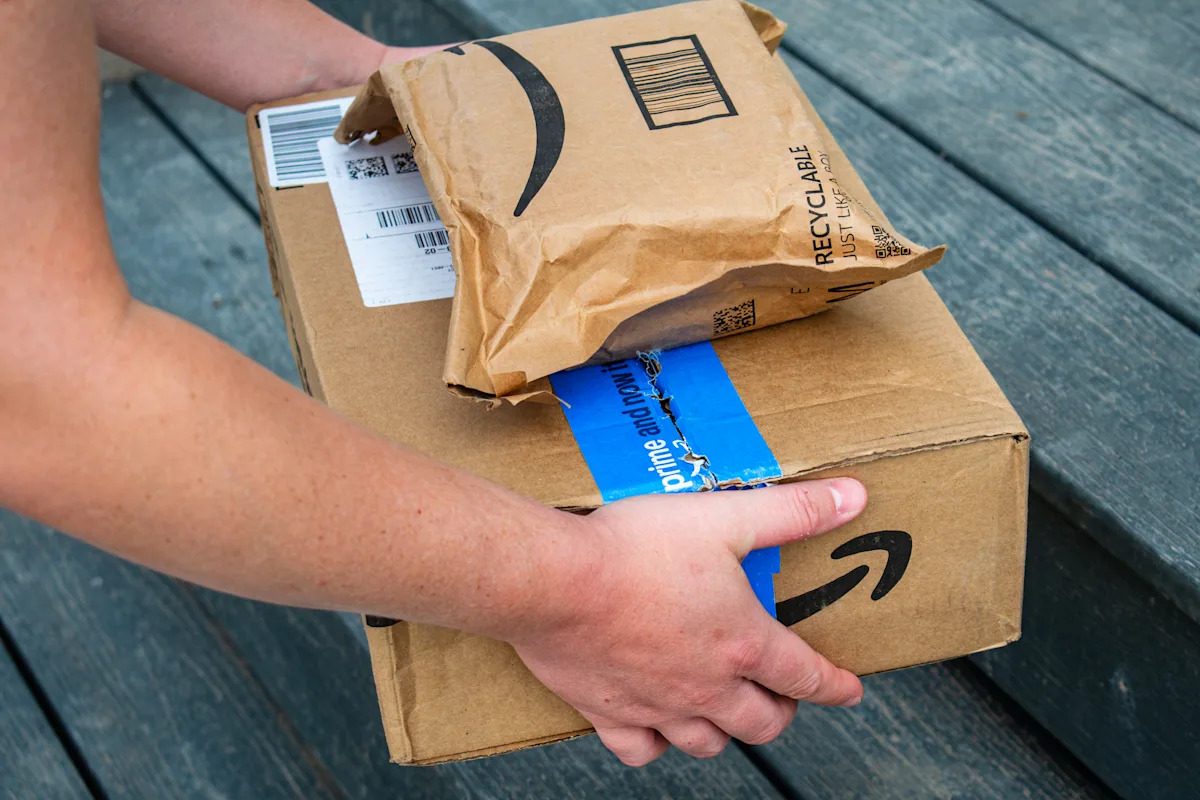
British people are receiving text messages allegedly from Amazon, saying a product has been recalled and offering a refund – but it’s a dangerous scam.
The text message is often vague about exactly what product is being refunded, and invites users to click a link to get a refund without having to return the product.
The message says: “Amazon Safety Recall: We are contacting you because the product you purchased is being recalled. This recall is due to quality and safety issues. We urge you to stop using the product immediately and contact us to arrange a full refund. You can view your order details at the following link:
“Safety Recall: Order Number:… Your safety is our top priority, please visit our website for more details and instructions. We apologize for the inconvenience and disappointment this may cause you.
“Thank you for shopping at Amazon.”
How does the product recall scam work?
The product recall scam works because the text message (from what appears to be a UK mobile number) is intentionally vague.
The text does not refer to a specific product, meaning users are less likely to think, “I didn’t buy one of those.”
Also, unlike with banks, for example, Amazon does sometimes communicate via text message (for instance when a driver is delivering packages), so that also makes it more plausible.
The scam message has several variations, but all use a shortened link URL (Malwarebytes)
(Malwarebytes)
The scam directs users to a fake Amazon website (several different ones have been reported).
Pieter Arntz, a security researcher at Malwarebytes, wrote: “Of course the link doesn’t go anywhere near Amazon, it’s actually a shortened URL that sends you to a known phishing site that mimics Amazon, and is after your personal information or to steal your money.
“The text messages are intentionally vague about the nature of the product or the exact issue they are being recalled for. This is done so a maximum number of people will think that this might concern them. If the scammers said that the TV you bought might explode, you wouldn’t click the link if you hadn’t purchased a TV recently.”
What should you do if you get the message?
If you receive the scam message, you should not click on the link.
Instead, log into your Amazon account somewhere else (in the app, for instance) and check for a real message from Amazon or chat to an Amazon associate.
Arntz advises: “If you receive a text like this, don’t click on any links. Instead, check if it’s legit by logging in to the Amazon app or website, then going to the Message Centre under Your Account. Legitimate messages from Amazon will appear there.”
You can report scams to Amazon via this link.
- The QR code trap turning mystery parcels into a worrying scam
- The ingenious WhatsApp group chat scam selling fake tickets
- I made a split-second mistake on FaceTime – it led to a £15,000 ticket scam
Amazon told Which?: “There are a variety of scams that ask people to make payments by email, phone, or text for items or services.
“Be wary any time someone tries to convince you that you must act now – scammers may try to create a sense of urgency to persuade you to do what they’re asking, and they use convincing tactics to reel consumers in.
“We encourage consumers to report suspected scams to us so that we can protect their accounts and refer bad actors to law enforcement to help keep them safe.”