Tan See Leng reassures Singapore’s energy security amid global tensions; 2026 degree ranking reveals top jobs for fresh grads: Singapore live news
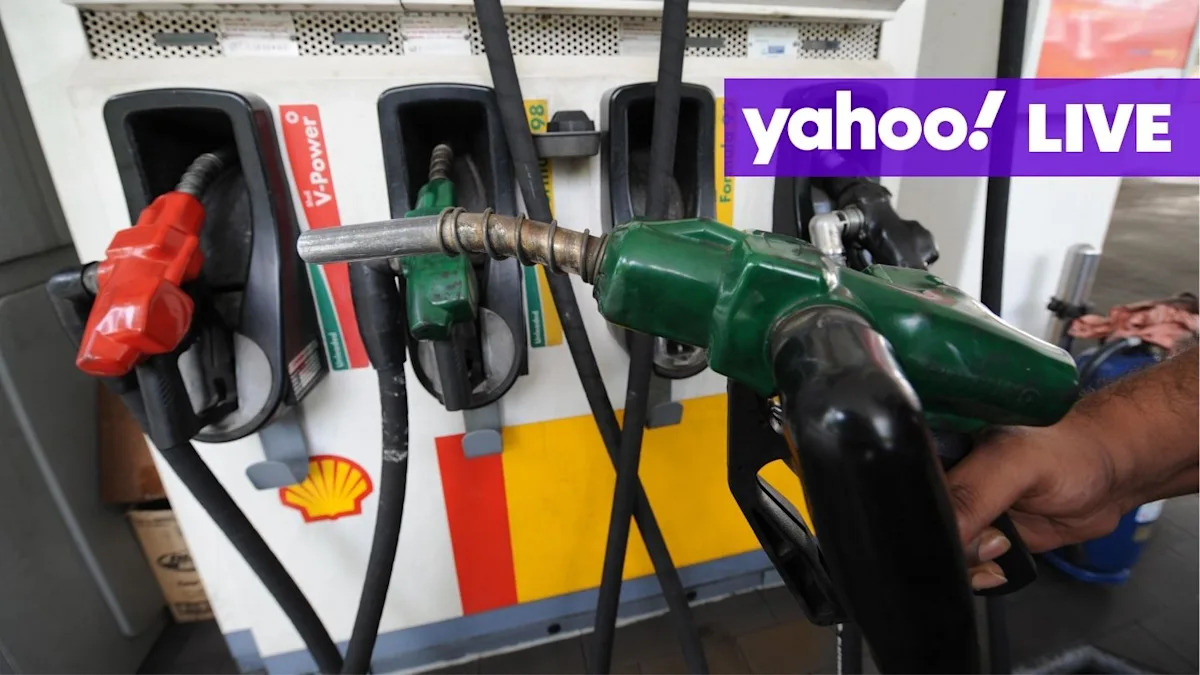
Amid escalating tensions in the Middle East, Singapore’s energy security remains firmly intact, said Minister for Trade and Industry Dr Tan See Leng. (Photo: Feline Lim/ Yahoo News Singapore)
(FELINE LIM)
Singapore has reaffirmed its energy security in light of ongoing geopolitical tensions, particularly in the Middle East. Minister for Trade and Industry Dr Tan See Leng highlighted the country’s diversified energy strategy as the key to safeguarding its energy future. Despite challenges in global energy markets, Singapore’s energy supply remains stable due to long-term investments in infrastructure, energy diversification and regional partnerships.
In his remarks, Tan emphasised the critical role of liquefied natural gas (LNG) in Singapore’s energy mix, which now includes significant renewable energy sources such as solar power and emerging technologies like hydrogen. With a focus on resilience, Singapore has been able to weather past disruptions and is well-prepared for future challenges in the global energy landscape, Business Times reported.
Tan also pointed out that the government’s forward-looking approach is grounded in strategic planning. This includes enhancing Singapore’s LNG import capacity, which significantly reduces the risk of dependence on any single energy source. Investments in technology have positioned Singapore as a regional leader in energy innovation, fostering a strong foundation for future energy security.
A key component of Singapore’s energy strategy is regional cooperation. By strengthening ties with neighbouring countries, Singapore continues to ensure the stability of its energy supply. These partnerships are integral in addressing both immediate energy needs and long-term sustainability goals, further solidifying Singapore’s role as a leader in energy resilience, according to Straits Times.
In addition to regional efforts, Singapore’s push for renewable energy adoption is central to its long-term vision. Solar power, hydrogen and energy storage technologies are at the forefront of the country’s strategy to reduce carbon emissions while ensuring that the country’s energy demand is met sustainably. Dr Tan’s comments at the Indo-Pacific Energy Security Ministerial reinforced Singapore’s commitment to global leadership in energy transformation and sustainability.
The ongoing Middle East conflict is significantly affecting Singaporean consumers, with petrol prices surging above $3.45 per litre, surpassing levels seen during the 2022 Ukraine crisis, according to Josh Gilbert, Market Analyst at eToro. This rise in fuel costs, coupled with disruptions in LNG production from Qatar, which supplies 95 per cent of Singapore’s electricity, is set to push energy bills higher in the coming months. Transport costs are also rising, with companies like ComfortDelGro raising petrol prices, adding pressure to the broader economy. Meanwhile, China’s halt on refined fuel exports is further straining Singapore’s energy supply.
As markets remain volatile, investors are advised to stay diversified and avoid emotional decisions. While airlines have been hit hard by rising jet fuel costs, defensive stocks in consumer staples and utilities have performed better. Gilbert suggests that the disruption is likely temporary, but if the conflict persists, it could lead to longer-term inflationary pressures and complicate monetary policy in Singapore. Investors should focus on long-term strategies as the situation unfolds.
The energy challenges faced by Singapore are mirrored across the world, yet the country’s proactive policies have positioned it as an exemplar of energy resilience. With continued investment in renewable energy, strategic collaborations, and technological innovation, Singapore is not only securing its energy future but is also setting a standard for global energy security in uncertain times.