The biggest lessons I’ve learned as an Aussie tourist in Italy
So, the Winter Olympics inspired you to finally plan that dream trip to Italy.
Congratulations … it’ll be even better than you imagined, I promise!
There’s a good reason why Italy attracts more than 60 million visitors each year. There are a gazillion reasons, actually.
READ MORE: Surprising Italian city set to be hugely popular in 2026
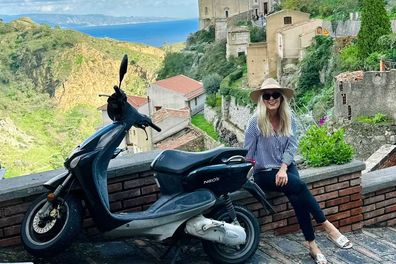
Italy attracts more than 60 million visitors each year. (Nine/Supplied)
The food, wine, history, art, architecture, fashion, culture, the world famous landmarks, stunning beaches and spectacular landscapes … I could go on.
Madonna’s been telling us, ‘Italians Do It Better’, since the 80s, and in so many areas, honestly, they do.
READ MORE: ‘Beyond the traditional’: Surprising places Aussies are flocking to in Japan
Dream Italian holiday spot with basically no crowds
View Gallery
But when it comes to tourism and hospitality, well, how do I say this delicately?
Italy does things a little differently. Like many parts of Europe, some of the unique rules and procedures can leave Aussie tourists scratching their heads.
Here are some of the practical tips I’ve discovered while travelling in Italy, which might assist when planning your own incredible Italian Escape.
READ MORE: Passengers warned against using ‘colourful suitcase’ by expert
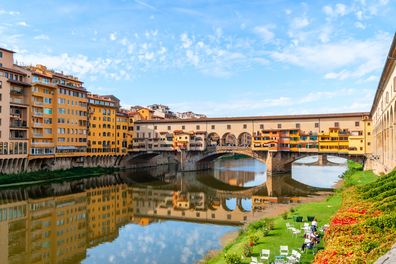
Here are some of the things I’ve learned along the way, (Shutterstock)
Think twice before booking the cheapest hotel room
It might seem like a good deal online, but check the room size carefully before confirming your reservation.
Many hotels in Italy offer ‘single’ rooms, which are teeny tiny, around 10-12 square metres.
That’s only three metres by four metres – including the bathroom – and you’ll be sleeping on a single bed.
These ‘broom closets with a loo’ are handy for business travellers just passing through, but they’re not ideal if you have luggage or if you plan on spending more than one night at the property.
READ MORE: ‘The undisputed best thing about my Sicilian holiday was not what I expected
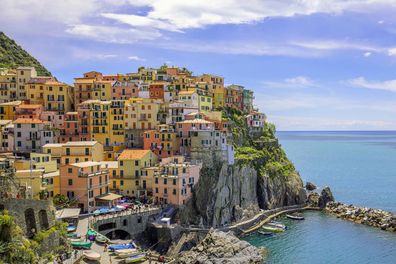
Hotels in Italy can be quaint but rooms small. (Getty)
To Twin or Not To Twin?
Sure, it’s a great way to save money, but you should only choose the twin share hotel room option if you plan on rooming with someone you know really well.
Most ‘twin share’ rooms in Italian hotels offer two single beds, rather than double or queen-sized beds.
Even worse, the beds are usually pushed right up next to each other, without even a bedside table separating them.
So if you’re not well acquainted with your roomie before the trip, you certainly will be, after sharing a night or two in an Italian twin share situation.
READ MORE: The under-the-radar spots Aussies are choosing for road trips this Easter
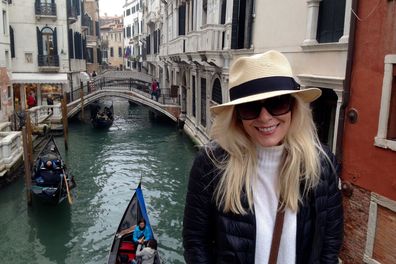
Think about who you’re travelling with before booking a room. (Supplied)
Cheeky check-out charges
Most Italian accommodation providers (hotels, Airbnbs, hostels) add a nightly city tax to your bill at check-out.
This can be up to 10 Euro per person, per night, based on the city, the hotel star rating and the season. The fee, also referred to as a ‘Tourist Tax’, helps fund local services and infrastructure.
It can cause bill-shock if you’re not prepared for it, but it is standard practice throughout the country.
READ MORE: The things you need to know before you visit Venice
Book ‘Room Only’
It’s also standard practice for Italian hotels to include breakfast in their room rates. But be warned, the hotel breakfast buffets are HUGE, with an overwhelmingly indulgent selection of sweets.
If you’re excited about feasting on donuts, chocolate cake and cannoli with your scrambled eggs – go for it.
But si no eres fan del abundante desayuno, puedes ahorrar dinero reservando la opción “solo habitación” – sin desayuno. Podría ahorrarte entre 25 y 30 euros (hasta 50 AUD) por noche.
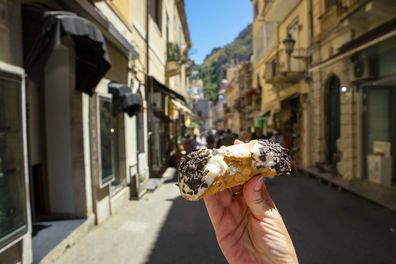
Querrás probar los cannoli en Italia. (Getty)
LEER MÁS: Tarifa turística de los Doce Apóstoles: ¿Deberíamos pagar para visitar los iconos naturales?
Lleva tu pasaporte contigo en todo momento
Ni siquiera me di cuenta de que era una regla hasta mi viaje más reciente, cuando dos policías con aspecto severo me pidieron “una verificación del pasaporte” en la estación de tren de Roma.
Pero, definitivamente es algo. Los residentes no pertenecientes a la UE están legalmente obligados a llevar su pasaporte físico consigo en todo momento en Italia, y la policía puede detenerte si no tienes el documento original cuando te detengan para una verificación aleatoria.
Es posible que estés acostumbrado a dejar tu pasaporte con tus objetos de valor en la caja fuerte del hotel cuando viajas, pero en Italia, tendrás que llevarlo contigo en todo momento, o corres el riesgo de una multa de hasta 2000 euros o un año de prisión.
LEER MÁS: Es menos probable que te retrasen si vuelas desde estos aeropuertos australianos
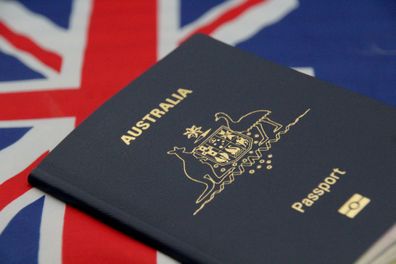
Carry your passport at all times in Italy. (Getty Images/iStockphoto)
Don’t take the train if you’re a chronic overpacker
The high-speed train network in Italy links every major city – centre to centre. It’s often faster, more reliable, more convenient and more relaxing than flying.
And the scenery is … just WOW! Watching the mosaic of perfectly manicured vineyards in the Tuscan countryside roll by, as you’re travelling by train from Rome to Florence, is one of those magical travel experiences you’ll never forget.
However, you do need to move your own luggage on and off the trains. You’ll need to carry all of your luggage into the train station, through the terminal and onto the platform, where you’ll then need to lift your bags two or three steps up, into the carriage.
READ MORE: Housekeeper shares simple act guests can do that makes their job easier
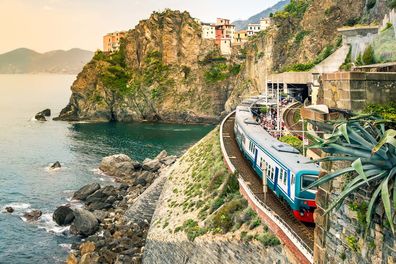
Don’t take the train if you’re a chronic overpacker. (Getty Images/iStockphoto)
There aren’t always baggage fees or weight restrictions to worry about, but you should restrict your luggage to only what you can comfortably carry yourself. In my experience, this is one suitcase (with wheels) and one carry-on bag (with wheels) per person.
You might be tempted to squeeze every kilo of that airline baggage allowance into your suitcase, but please listen to me when I say: if you overpack or bring the world’s heaviest suitcase, train travel in Europe is not for you. I guarantee you’ll regret it.
Get Validated
This one trips up a lot of tourists. If you’ve bought a paper ticket for a regional train in Italy, you’ll need to ‘validate’ it at a ticket machine on the platform before you board.
It’s to prevent the reuse of a single ticket for multiple journeys and if you’re caught with an unvalidated ticket, you could be fined 50 – 200 Euro. In my experience, the rules here are ‘flexible’.
What one train conductor is willing to overlook (with a gentle warning) might be strictly enforced by the next.
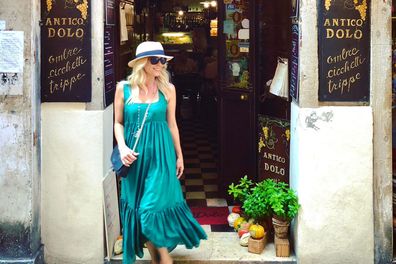
Follow the travel rules in Italy or risk fines. (Supplied)
Don’t risk missing the big attractions
The Statue of David in Florence, The Leaning Tower of Pisa, The Last Supper in Milan – they all know how to draw a crowd. And they should absolutely be on your must-see list.
But don’t expect to rock up on the day and score a ticket.
Many of the most iconic tourist attractions in Italy limit the number of visitors they allow each day, so you’ll need to secure your spot months in advance.
Always double check that you’re booking tickets on the ‘official’ websites. There are plenty of websites selling tickets for these landmarks, but they charge you extra and take a cut.
You can buy the cheapest single entry ticket to see David, the Leaning Tower and The Last Supper – by buying directly from the official websites.
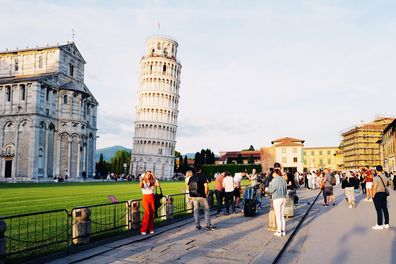
The Leaning Tower of Pisa is not to be missed. (Getty)
Did someone say ‘discount Gucci’?
The only thing better than scoring 50 per cent off that Gucci bag at the outlets in Florence is knowing that non-EU residents are eligible to claim a VAT refund of between 11-15 per cent on purchases in Italy.
But – and this is super important – in order to qualify for a VAT refund, you must present your passport and request a Tax Free Form at the time of purchase.
You’ll then be able to claim your VAT refund at the airport when departing Italy.
Also keep in mind, there can be long lines at the airport refund offices, so if you plan on claiming a refund, you should add at least one extra hour to the entire check-in process before your flight.
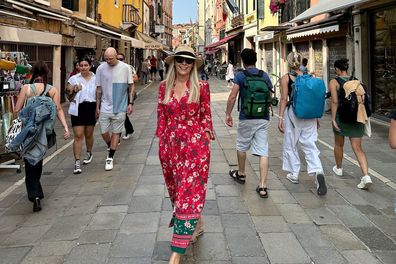
A walking tour is a great way to see parts of Venice you may not have got to. (Supplied)
Book the Free Tour
I’m convinced that a free walking tour is the best way to introduce yourself to a new city.
There are plenty available in all major Italian cities, hosted by passionate locals who love nothing more than talking (ie. bragging) about their home town.
The extra bonus of a local guide – they can also share insider tips about all the hottest local bars and restaurants.
Okay here’s the catch: they’re not really ‘free’. Most of these tours are “pay-what-you-wish”, because the guides rely on tips from customers for their income. 10 or 20 Euro per person is reasonable – and it’ll be money well spent.
Life is short. Eat the Gelato (every damn day)!
The best gelaterias in the big Italian cities will be loud, crowded and chaotic.
And it might feel like the hunger games just trying to reach the counter to place your order, but, it’ll be absolutely worth the effort.

Don’t miss the gelato in Italy. (Getty)
Less is More
The best tip I can possibly share is this: Don’t attempt to see all of Italy in one holiday.
The country is divided into 20 different regions – each with its own distinct identity.
For an average two to three week trip, you should choose only a few regions and do those well.
You may feel like you’ve only seen a small part of the country, but the best Italian holiday is one where you really immerse yourself in the culture and explore each area thoroughly.
And the best part: Italy always leaves you wanting more. Your first trip to Italy probably won’t be your last.
You can follow Sami on Instagram @samilukis

The top trending natural bucket list experiences around the world
View Gallery