Washington Court Declares Flock Camera Images as Public Records, Raising Privacy and Transparency Questions
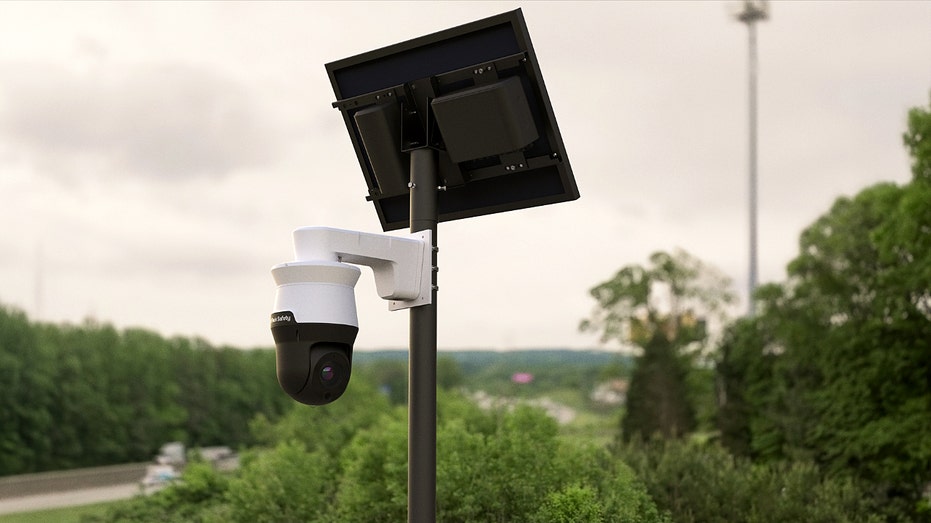
A recent ruling by a Skagit County Superior Court judge confirms that images captured by Flock Safety’s automated license plate reader (ALPR) cameras in Stanwood and Sedro-Woolley are considered public records under Washington state law. This decision emphasizes the growing importance of transparency in surveillance technology used by local governments.
Judge Elizabeth Yost Neidzwski clarified that such images, even if stored by third-party vendors, must be disclosed if requested under the Public Records Act. This ruling responds to a case initiated by resident Jose Rodriguez, who sought access to one hour of Flock camera footage. Although the request was denied because the data had already auto-deleted after 30 days, the court’s decision sets a precedent for future transparency.
Interesting:
- Former fda leaders condemn agency memo on vaccines as reckless and harmful
- Rediscovering jill of the jungle tim sweeneys last game as designer and its legacy
- Merriam webster declares slop as 2025 word of the year highlighting ai generated content concerns
- Canada loses measles elimination status as virus becomes endemic again
- Global milestone major protections for sharks and rays to combat extinction
Experts highlight that this ruling aligns with broader concerns over privacy and government accountability. Digital rights advocate Beryl Lipton from the Electronic Frontier Foundation notes, “Allowing vendors to control access undermines citizens’ rights and hampers transparency.” The decision raises important questions about data retention policies, storage security, and access protocols, prompting local agencies to reconsider how surveillance data is managed.
This case underscores the tension between law enforcement needs and privacy rights, emphasizing the need for clear policies and safeguards. As cities adopt ALPR systems, understanding legal obligations around public records becomes crucial—especially when third-party vendors are involved.